

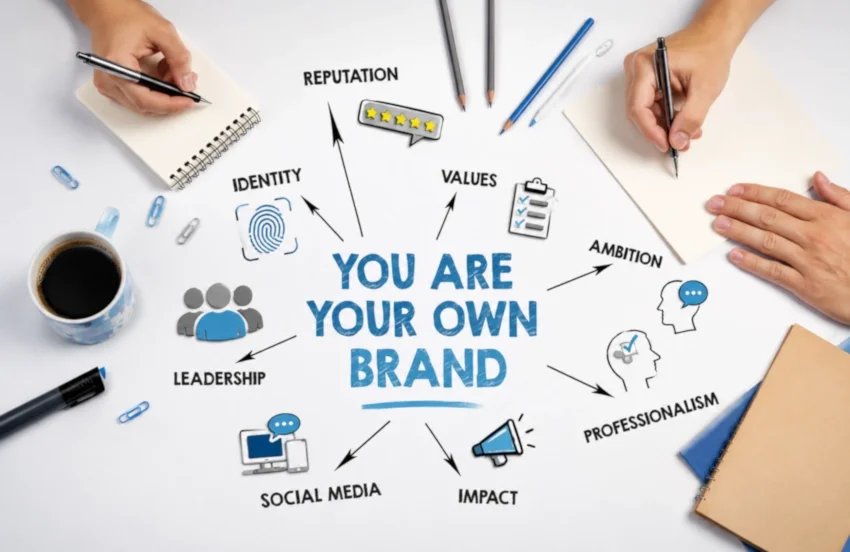
The modern professional world is more connected and competitive than ever before. Employers, recruiters, clients, and industry leaders no longer evaluate professionals solely through resumes or formal qualifications. Today, digital visibility, online credibility, and professional reputation play a major role in shaping career opportunities and long-term growth.
This shift has made personal branding one of the most important career development strategies in the digital age. Professionals are increasingly recognized not only for their job titles but also for how they present expertise, communicate ideas, and engage with industry conversations online. Whether someone is seeking promotions, attracting clients, building authority, or expanding professional influence, a strong personal brand creates visibility that extends far beyond traditional networking methods.
Platforms like LinkedIn have transformed how professionals connect, share knowledge, and establish authority within their industries. A well-managed LinkedIn presence can attract recruiters, business partnerships, speaking opportunities, and long-term professional relationships. At the same time, consistent content sharing and meaningful engagement help individuals strengthen online credibility and industry recognition.
Personal branding is no longer limited to executives, influencers, or entrepreneurs. Professionals across industries now benefit from developing recognizable expertise and authentic professional identities online. In highly competitive job markets, visibility and reputation often influence opportunities as much as technical qualifications themselves.
As digital communication continues shaping modern careers, professionals who invest in personal branding are building stronger foundations for networking, credibility, and sustainable career growth.
What Is Personal Branding?
Personal branding refers to the process of shaping how others perceive your expertise, values, communication style, and professional identity. It is the combination of:
- reputation,
- visibility,
- expertise,
- and digital presence
that influences how people recognize and remember you professionally.
A strong personal brand helps individuals stand out in crowded industries by demonstrating consistent value, credibility, and expertise.
Personal Branding Is More Than Self-Promotion
Many people misunderstand personal branding as constant self-promotion or online popularity. In reality, effective personal branding focuses more on trust, expertise, and authenticity than attention alone.
Professionals build stronger personal brands by:
- sharing useful insights,
- contributing to industry discussions,
- helping others solve problems,
- and communicating consistently.
The goal is not simply to gain followers. The goal is to build meaningful professional recognition and long-term credibility.
Why Personal Branding Matters Today
Digital platforms have changed how hiring, networking, and career opportunities develop. Recruiters, employers, and clients often research professionals online before making decisions.
A strong online presence can:
- improve visibility,
- strengthen trust,
- increase networking opportunities,
- and position professionals as credible industry contributors.
In many industries, personal branding has become an important extension of professional identity itself.
How LinkedIn Presence Influences Career Growth
LinkedIn has become one of the most influential platforms for professional networking and career development.
Digital First Impressions Matter
For many professionals, LinkedIn profiles now function as digital resumes, portfolios, and networking hubs simultaneously. Recruiters frequently evaluate:
- profile quality,
- activity level,
- content engagement,
- and professional positioning.
A well-optimized LinkedIn presence creates stronger first impressions and increases visibility within industry-specific searches and conversations.
Professionals with incomplete or inactive profiles often miss opportunities even if they possess strong technical qualifications.
Consistent Activity Improves Visibility
LinkedIn rewards active participation. Professionals who regularly:
- share insights,
- engage with industry discussions,
- comment thoughtfully,
- and publish valuable content
often improve both visibility and professional recognition.
Consistent activity signals expertise and ongoing industry involvement.
Over time, this visibility compounds, helping professionals build broader career networks and stronger online credibility.
Online Credibility and Professional Reputation
Professional reputation has always mattered, but digital platforms have amplified its influence significantly.
Building Trust Through Expertise
Online credibility develops when professionals consistently demonstrate knowledge, professionalism, and authenticity. Sharing useful insights and participating in relevant conversations helps establish trust gradually over time.
People are more likely to:
- recommend,
- hire,
- collaborate with,
- or follow
professionals they perceive as knowledgeable and reliable.
Personal branding therefore depends heavily on long-term consistency rather than short-term visibility tactics.
Reputation Extends Beyond Job Titles
In traditional career environments, reputation often depended primarily on internal workplace performance. Today, professionals can build authority beyond organizational boundaries through content, networking, and industry participation.
A strong professional reputation may lead to:
- speaking opportunities,
- consulting projects,
- leadership roles,
- partnerships,
- and career advancement.
This external visibility creates opportunities that might not emerge through traditional career paths alone.
Content Sharing and Industry Authority
Content sharing has become one of the most effective ways to strengthen personal branding.
Sharing Knowledge Builds Recognition
Professionals who share insights publicly often position themselves as active contributors within their industries. Educational posts, articles, commentary, and practical advice help audiences recognize expertise over time.
Content does not need to be highly technical or overly complex to create value. Clear explanations, industry observations, and thoughtful perspectives often generate meaningful engagement.
Consistency matters more than perfection.
Thought Leadership Supports Career Networking
Thoughtful content sharing also improves career networking opportunities. Professionals who publish useful insights often attract:
- recruiters,
- collaborators,
- industry peers,
- and potential clients naturally.
People are more likely to connect with professionals who contribute value consistently rather than remaining digitally invisible.
Over time, content sharing helps build industry authority and stronger professional relationships simultaneously.
Career Networking in the Digital Age
Networking has evolved significantly through digital platforms and remote communication technologies.
Relationships Matter More Than Connections
Modern networking is not simply about collecting contacts. Effective career networking focuses on building genuine professional relationships based on trust and mutual value.
Professionals who:
- support others,
- engage meaningfully,
- and contribute to conversations
often develop stronger long-term networks than individuals focused solely on self-promotion.
Authentic interaction strengthens both credibility and visibility.
Networking Creates Hidden Opportunities
Many career opportunities emerge through relationships rather than public job applications alone. Recommendations, referrals, partnerships, and collaborations frequently develop through professional networks.
A strong personal brand increases the likelihood that people think of you when relevant opportunities appear.
This visibility can significantly improve long-term career growth potential.
Authenticity and Personal Branding
Authenticity is one of the most important aspects of sustainable personal branding.
Audiences Value Genuine Communication
Professionals often struggle with personal branding because they believe they must appear overly polished or constantly authoritative. However, audiences increasingly value honesty, relatability, and genuine communication.
Authentic professionals build stronger trust because their messaging feels consistent and believable.
People connect more deeply with individuals who communicate naturally and share meaningful experiences rather than trying to appear perfect.
Consistency Builds Recognition
Strong personal brands are built through consistent communication and professional positioning over time.
Consistency includes:
- visual presentation,
- communication style,
- professional values,
- and content themes.
When professionals communicate consistently, audiences begin associating them with specific expertise and perspectives.
This recognition strengthens long-term professional reputation.
Personal Branding and Digital Career Growth
Digital visibility increasingly influences career advancement across industries.
Recruiters Search Beyond Resumes
Employers now evaluate candidates through:
- LinkedIn profiles,
- online portfolios,
- social media presence,
- and public industry engagement.
Professionals with strong online credibility often stand out more effectively in competitive hiring environments.
A visible personal brand can create inbound career opportunities without actively searching for new positions.
Personal Branding Supports Long-Term Adaptability
Industries continue evolving rapidly through AI, automation, and digital transformation. Professionals who build recognizable expertise and strong professional networks often adapt more successfully to changing market conditions.
Personal branding creates career resilience because reputation and relationships remain valuable even as industries evolve.
Professionals known for expertise and adaptability are often better positioned for leadership and future growth opportunities.
Common Mistakes Professionals Make
Despite its importance, many professionals approach personal branding incorrectly.
Inconsistency Reduces Credibility
Posting occasionally without clear direction often weakens visibility and recognition. Strong personal branding requires consistency rather than random bursts of activity.
Professionals should focus on sustainable engagement and meaningful contribution over time.
Over-Promotion Damages Trust
Excessive self-promotion can reduce authenticity and audience trust. People engage more positively with professionals who provide value consistently rather than constantly seeking attention.
Educational, thoughtful, and helpful content generally performs better long-term than overly promotional messaging.
Ignoring Relationship Building
Some professionals focus heavily on visibility but neglect genuine networking and interaction. Strong personal branding depends equally on relationships and reputation.
Engaging respectfully with others often creates stronger opportunities than broadcasting content alone.
The Future of Personal Branding
Personal branding will likely become even more important as digital communication and AI-driven recruitment continue evolving.
AI Search and Professional Visibility
AI-powered search and recommendation systems increasingly influence how professionals are discovered online. Consistent content, expertise signals, and digital activity may become even more important for professional visibility in the future.
Professionals who establish authority early will likely benefit from stronger long-term discoverability.
Human Expertise Will Remain Valuable
As AI-generated content increases online, authentic expertise and personal perspective may become stronger differentiators.
Professionals who communicate genuine insights and build trusted relationships will likely stand out more effectively than those relying only on surface-level visibility.
Conclusion
Personal branding has become a powerful driver of career growth, professional visibility, and long-term opportunity in the digital age. Modern professionals are increasingly evaluated not only through qualifications but also through online credibility, industry engagement, and professional reputation.
From LinkedIn presence and content sharing to networking and thought leadership, personal branding helps individuals build trust, expand visibility, and strengthen career opportunities over time. Professionals who consistently share expertise and engage authentically often attract stronger professional relationships and broader recognition within their industries.
As digital communication, AI-powered recruitment, and online networking continue shaping the future of work, personal branding will become even more important for sustainable career development. Professionals who invest in building authentic expertise, meaningful relationships, and consistent digital visibility today are creating stronger foundations for long-term success and professional growth.
